Why Night Zookeeper is a Good Learning Program for Children with ADHD


ADHD (Attention Deficit Hyperactivity Disorder) is a condition that can affect attention, activity levels, and impulse control. Children with ADHD can experience difficulties with staying focused, sitting still, managing distractions, or controlling impulses. However, ADHD affects every child differently, and children can have a wide range of strengths, interests, and learning preferences.
For some children with ADHD, staying focused on a lengthy task or remaining engaged when an activity feels repetitive can be particularly challenging. This can sometimes make traditional learning activities feel frustrating.
Finding ways to make learning interactive, varied, and rewarding can help make learning much more enjoyable.
Night Zookeeper is an award-winning reading and writing program for children aged 6-12. It combines a structured language arts curriculum with interactive lessons, short games, reward based learning, and opportunities for children to engage in a creative community.
While Night Zookeeper isn't designed exclusively for children with ADHD, the range of engaging features has proven to suit many children with ADHD particularly well.
In this post, we'll explore how Night Zookeeper's features can support your child to stay engaged, motivated, and excited about reading and writing.
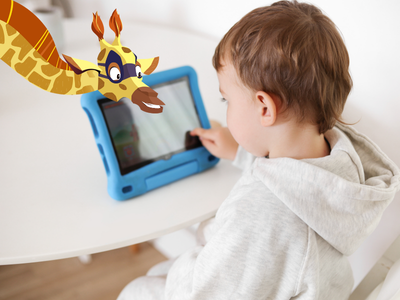
1. Short, engaging games can make learning feel more manageable
For some children with ADHD, concentrating on one activity for a long period can be difficult. A lengthy worksheet or lesson may feel overwhelming, particularly if the subject doesn't immediately capture their attention.
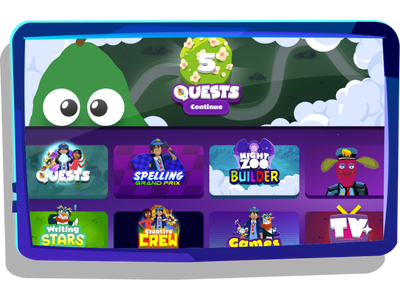
That's why Night Zookeeper includes short, interactive educational games covering skills such as spelling, vocabulary, and grammar.
Instead of expecting children to sit and focus on one repetitive activity for a long time, they can work through shorter activities and experience a sense of progress as they go.
The game-like approach can also provide immediate goals and rewards, giving children something specific to focus on rather than viewing language arts practice as one large task.
And when a child has completed one activity, there's always something else to explore!
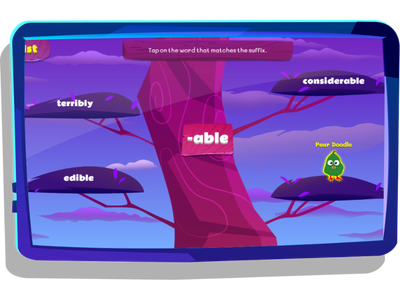
2. Interactive lessons help prevent boredom
For some children with ADHD, boredom can make it particularly difficult to stay engaged with learning.
Night Zookeeper's lessons are designed to be interactive rather than simply presenting children with large amounts of information to read or write.
Our structured curriculum breaks down topics into more digestible learning areas. Children work through a mini-lesson before completing a variety of interactive tasks designed to reinforce what they’ve learned.
We also have TV-style lessons where kids watch a fun video featuring the Night Zookeeper characters they know and love, and then explore the topic through multiple-choice questions. This is then followed by an interactive writing prompt so they can practice what they have learnt.
The variety of activity styles incorporated into lessons helps break it down, giving children opportunities to interact with what they're learning rather than passively reading through a page.
For a child who becomes disengaged when an activity feels repetitive, changing between different types of tasks can help keep their learning experience fresh.
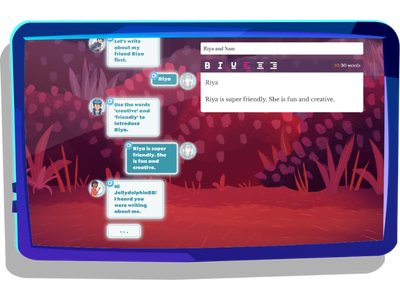
3. Colorful graphics makes learning engaging and appealing
Night Zookeeper is filled with colorful imagery, characters, animals, and an imaginative world designed to make reading and writing feel like an exciting adventure that kids can escape into. And it puts your child right at the heart of the story!
For children who are easily distracted or find traditional educational materials uninteresting, a visually engaging environment can provide another way to capture their attention.
Instead of opening a plain worksheet and being asked to complete a series of questions, children enter a world filled with creatures to create and areas to explore.
The aim is to make language arts practice something children want to return to.
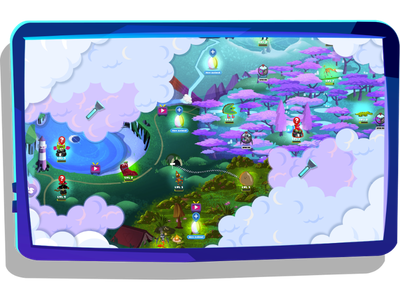
4. Rewards give children something fun to work toward
Motivation can be an important part of learning for children with ADHD. If an activity feels difficult, repetitive, or doesn't have an obvious purpose, it can sometimes be harder to stay motivated to complete it.
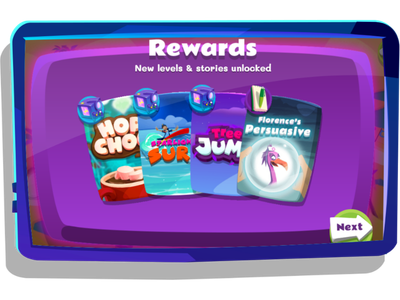
Night Zookeeper uses game-like rewards and achievements to give children goals to work towards. The more they learn, the more they earn, and the more they earn, the more activities, games, and areas they unlock! They can also collect and create animals, decorate their dens, and collect new special items.
This creates a connection between completing learning activities and achieving something they can see and enjoy.
5. Weekly contests give children motivation to keep creating
For children who thrive on novelty, goals, or recognition, having something new to look forward to each week can make learning more exciting.
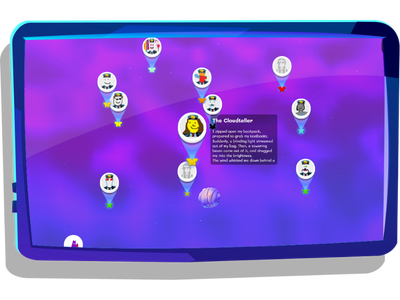
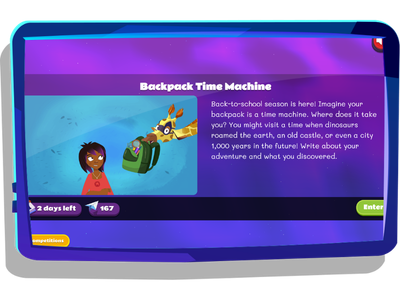
Every week, Night Zookeeper's Star Writing contest gives children a new writing prompt or theme to inspire their imagination.
Children follow a fun writing prompt to create their own masterpiece and submit their entry for the chance to be featured and win real prizes.
The weekly format means there's always a new challenge on the horizon.
For a child who struggles to stay motivated by completing writing exercises alone, having a specific creative goal can give them an extra reason to get started.
It also gives children the opportunity to feel proud of their work and see that their creativity is valued.
6. Personalized tutor feedback provides encouragement
Children with ADHD can sometimes become frustrated when they find a task difficult or lose motivation after making mistakes.
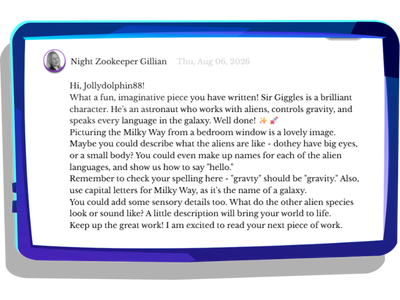
Night Zookeeper provides children with personalized feedback from tutors on their writing.
This gives children more than simply a score or a mark. They can receive encouragement and suggestions that are specific to their work.
Positive, personalized feedback can help children recognize what they're doing well while giving them clear ideas for how they can improve.
For a child who may become discouraged by a difficult writing task, knowing that someone has read and responded to their work can also make the activity feel more meaningful.
7. Community features provide a safe space to share and interact with others
Learning doesn't always have to happen alone.
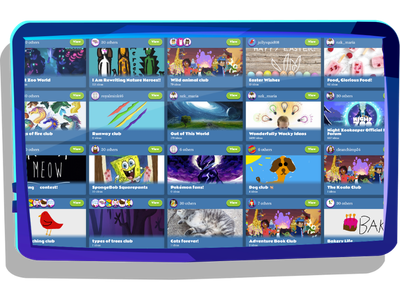
Night Zookeeper includes community features that allow children to share their writing, see other children's creations, and engage with the Night Zookeeper community.
For children with ADHD who enjoy social interaction and sharing their interests, this can provide another motivating element to their learning.
Children can see what other young writers have created, leave comments, and engage with other members of the community.
Importantly, these interactions take place within a moderated environment designed with children's safety in mind. Comments are moderated and approved, and parents can use Manage Features to control whether their child's work is shared publicly or whether commenting is enabled.
This gives children opportunities to experience the social side of writing while providing parents with control over their child's participation.
8. Supports independent learning
Parents can't always sit beside their child throughout every learning activity - particularly if they're working, homeschooling multiple children, or looking after younger siblings.
For some children with ADHD, developing independence can also be an important part of learning.
Night Zookeeper provides structured activities that children can work through themselves, allowing them to explore the program, complete games, and create their own writing.
The combination of clear activities, visual rewards, and an engaging environment can give children a sense of ownership over their learning.
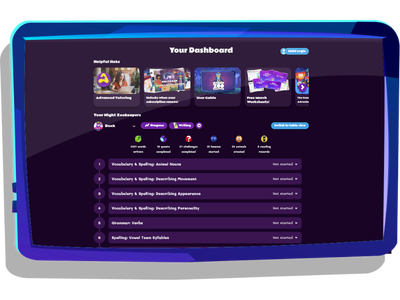
Parents can then check their child's progress without necessarily having to supervise every minute of their learning session.
9. Printables to give kids a break from the screen
Although technology can be highly engaging, children don't need to complete all of their learning online.
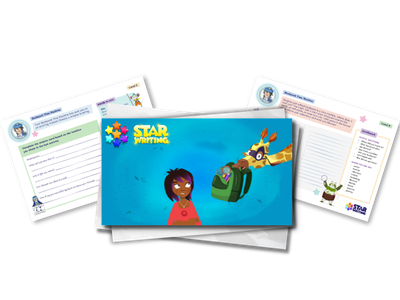
Night Zookeeper also offers printable resources and worksheets, giving families the opportunity to take writing activities offline.
For some children, switching between online and offline activities can provide useful variety throughout the day.
You could use a printable writing activity after a lesson, take a worksheet on a trip, or use an offline activity when your child needs a break from their screen.
Having different formats available means you can adapt the learning experience depending on your child's energy, attention, and interests that day.
10. Creativity is at the heart of the program
Writing can sometimes feel like a particularly difficult task when a child struggles to maintain attention.
Night Zookeeper puts creativity at the center of writing.
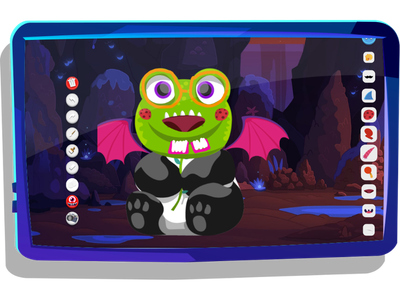
Instead of always asking children to write about predetermined topics, the program gives them opportunities to create their own animals, develop characters, imagine new worlds, and write stories, poems, descriptions, and reports.
This can help give writing a purpose beyond simply completing an assignment.
A child who is fascinated by animals, space, monsters, adventures, or another particular topic can use those interests as a starting point for their writing.
When children are genuinely interested in what they're writing about, they may find it easier to become absorbed in the activity.
11. Variety keeps learning fresh
Perhaps one of the biggest benefits of Night Zookeeper for children who find repetitive learning difficult is variety.
Children can move between:
- Interactive lessons
- Short games and challenges
- Creative writing prompts
- Drawing and animal creation
- Printable activities
- Weekly Star Writing challenges
- Community activities
- Rewards and achievements
This means that learning doesn't have to look exactly the same every day.
With 100s of activities available, there is always something new to discover. If your child is struggling to engage with one type of activity, you can try something different and return to it later.
This flexibility can be particularly useful for families who are trying to find a learning routine that works with their child's individual attention span, interests, and energy levels.
----
"My 9 yr old son has adhd, struggles with writing, but begs for screentime. As an English teacher I know how important it is for him to develop his writing skills, but I was absolutely exhausted from the daily battle. Now that we've started Night Zookeeper the battle has turned - he begs to get on and I have to fight to get him off!”
- Tabby, parent, US
Many families have found Night Zookeeper to be a valuable part of their child’s learning journey. With adjustable settings and difficulty levels, the program can be tailored to your child’s individual learning needs and preferences. We know that every child learns differently, so why not try Night Zookeeper FREE for 7 days and see if it’s the right fit for your child?
If you have any questions, email us at support@nightzookeeper.com or drop us a message on social media:


Make Reading & Writing Fantastically Fun!
- Award-winning reading & writing program for kids
- Improves spelling, grammar, punctuation & vocabulary
- Over 1,000 different learning games and activities


How Night Zookeeper Helped Our Neurodivergent Learner


Why Gamification Helps Children with Special Educational Needs


How Night Zookeeper has Helped Children with ADHD